
Dog Walking 101: Here Is What You Should Know
Walking your dog isn't just about keeping them physically active—it's a vital part of their overall well-being. It offers mental stimulation, social opportunities, and a chance for behavioral training. Still, many pet owners struggle with figuring out the right duration and timing for these walks. This thorough guide explains when and how long you should walk your dog so they can get the most benefit from their daily outings.
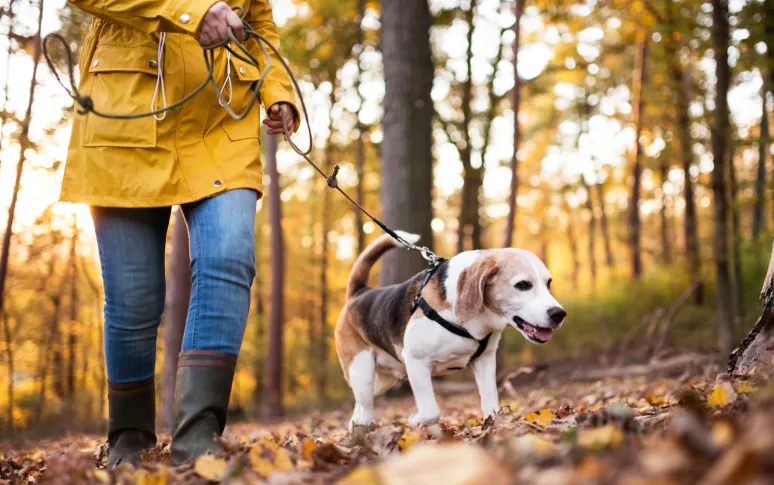
Understand the importance of dog walks. Many dog owners walk their dogs regularly, but a significant number fail to grasp the true significance of these outings. Walks are not just about exercise—they are about enrichment. They give your dog the chance to explore their surroundings, which is essential for their mental well-being. Regular walks can also help reduce behavioral issues like excessive barking or chewing, which often stem from boredom or pent-up energy.
Factors influencing walk duration and frequency. Several aspects determine how long and how often you should walk your dog, including age, breed, and overall health.
General guidelines for dog walks. While every dog is unique and their walking needs may vary, following some general guidelines can help you establish a suitable exercise routine.
Determine the best time to walk your dog. The ideal times are typically in the morning and the evening. Morning walks offer cooler temperatures and give your dog a chance to relieve themselves after the night. Evening walks help burn off any remaining energy and prepare your dog for a restful night. During hotter months, it is especially important to walk during the cooler parts of the day to prevent overheating or paw burns on hot pavement.
Create a walking schedule. A consistent schedule helps your dog know what to expect and can prevent behavioral issues linked to anxiety or excess energy. For example, an adult active-breed dog might follow a sample walking schedule.
Make the most of your walks. Remember, walks are not only for physical exercise—they also provide mental stimulation and training opportunities. Follow a few tips to maximize the benefits of each outing.
Determining the right duration and frequency for your dog's walks depends on factors like age, breed, and health. However, a general rule is that most dogs should be walked at least once a day, though some may require more. Walks should be at a pace where the dog is moving, and the duration should be enough to tire them out without exhausting them. The quality of the walk is just as important as the quantity—a shorter, mentally stimulating walk can be as tiring as a long one. So, get out there, explore new paths, let your dog sniff, meet new friends, and most importantly, enjoy your time with your furry companion.