
Are You Teaching Your Puppy Bad Habits?
The excitement of welcoming a new puppy into your home is beyond compare. Their playful mischief and endless curiosity are incredibly charming, making it tempting to ignore the occasional naughty act. But what appears to be innocent puppy behavior can swiftly develop into troublesome habits if left uncorrected.
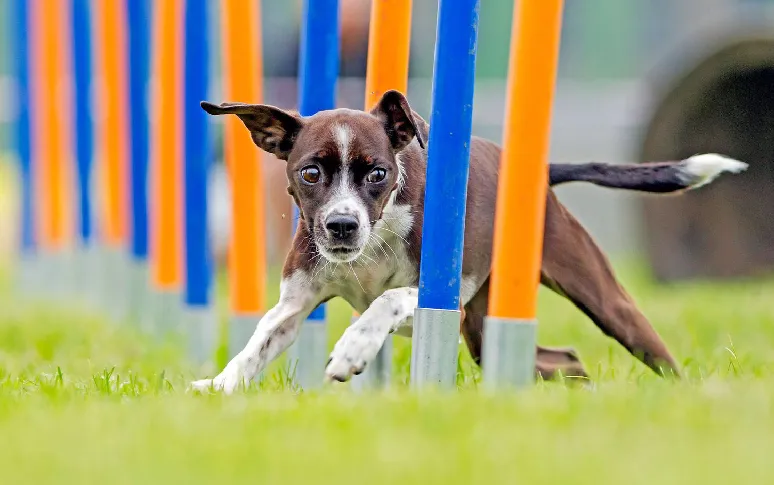
1. Inconsistent Training
Consistency is crucial when training a puppy. If rules and commands change from day to day, your puppy will become confused and disobedient. For instance, allowing your puppy on the couch one day but scolding them the next sends mixed signals. Ensure all family members agree on the same rules and commands to maintain consistency.
2. Rewarding Bad Behavior
Puppies quickly learn which actions get attention. If you respond to barking or whining by giving treats, toys, or affection to quiet them, you are inadvertently rewarding that misbehavior. Instead, ignore unwanted actions and reward your puppy when they remain calm and quiet.
3. Using Punishment Instead of Positive Reinforcement
Punishing a puppy can backfire, leading to fear or aggression. Opt for positive reinforcement such as treats, praise, and gentle petting to encourage good behavior. When your puppy does something wrong, redirect them to the correct action and reward them for complying.
Dogs
4. Not Socializing Your Puppy Early
Early socialization is vital for raising a well-adjusted dog. Expose your puppy to various people, animals, environments, and experiences to help them feel comfortable in different situations and reduce fear or aggression. Skipping this step can cause behavioral issues later on.
5. Reinforcing Fear or Anxiety
It's natural to want to comfort a scared puppy, but doing so can reinforce their fear. Instead, remain calm and confident to show your puppy there is no danger. Use positive reinforcement to reward calm behavior in anxiety-provoking situations.
Dog adoption resources
6. Neglecting Mental Stimulation
Puppies are naturally curious and need mental challenges to stay sharp. Without them, boredom may lead to destructive chewing or digging. Provide a variety of toys, engage in training sessions, and let your puppy explore new environments under your supervision.
Dogs
7. Not Setting Boundaries
Clear boundaries help puppies feel secure within the family structure. Without them, confusion and behavioral problems can arise. Establish rules and stick to them, and give your puppy their own space where they can retreat when needed.
8. Not Addressing Resource Guarding
Resource guarding—being overly protective of food, toys, or space—can become serious if ignored. If your puppy growls or snaps near their belongings, use positive reinforcement techniques to teach them they don't need to guard their resources.
9. Not Providing Enough Exercise
Puppies have abundant energy and require regular physical activity to stay balanced. Insufficient exercise can lead to hyperactivity and destructive behaviors. Schedule daily walks, playtime, and age-appropriate exercise to manage their energy levels.
Dogs
10. Allowing Unwanted Behaviors Because They're 'Cute'
Small, cute puppies often get away with behaviors like jumping, nipping, or begging. But these habits become problematic as they grow. Instead of ignoring them, redirect your puppy to the correct behavior and reward compliance.
Understanding and addressing these common mistakes can help your puppy become a well-behaved, well-adjusted adult dog. Patience and consistency are essential, and mistakes are part of the learning process. Always rely on positive reinforcement, and consult a professional trainer or veterinarian if you face challenges. Your puppy is eager to learn, and with proper guidance, they will quickly adopt behaviors that please you both.