
Everything You Need To Know About Dog Vaccinations
Considering vaccinating your dog but unsure of the process? No need to worry—we've compiled all the essential information about dog vaccinations right here!
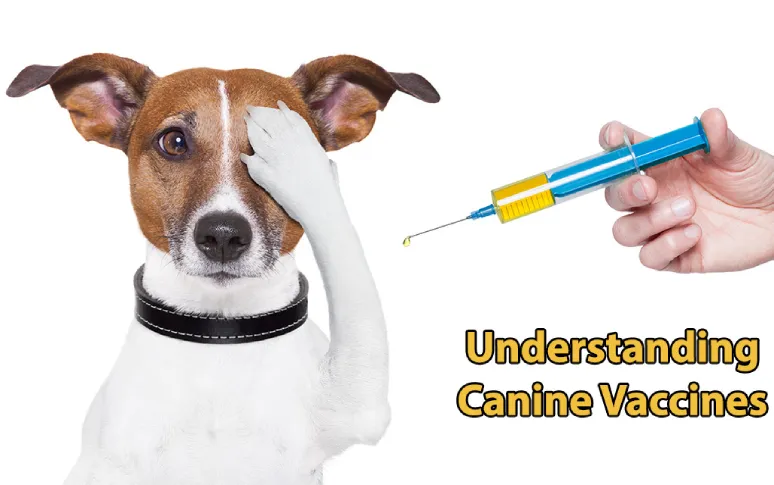
What exactly are dog vaccinations?
A vaccination involves administering an injection to a dog with the aim of stimulating its immune system to produce antibodies targeted against particular infections.
By introducing a safe and weakened version of the virus or bacteria responsible for the disease, we enable the dog's body to generate a defensive reaction without exposing it to the harmful form of the illness.
Once the dog has successfully responded to the vaccine, it will develop immunity, offering protection if it encounters the virus or bacteria at a later stage in life.
Why should I have my dog vaccinated?
There are several very good reasons to have your dog vaccinated:
What are the types of dog vaccinations?
Core vaccinations for dogs include:
These vaccinations are deemed crucial for all dogs due to the universal risk of exposure, the severity of the diseases involved, and the potential for transmission to other dogs as well as other animal species, including human beings.
Other, non-core vaccinations include:
Although these vaccines are not considered core, they are still very important for most dogs who may be exposed to these infectious diseases.
It is recommended to consult pet care professionals on a case by case basis for advice on the optimal arrangements for your dog.
Are vaccinations required by law?
The only vaccine that is required by law is rabies.
This is due to its zoonotic nature and high risk of fatality in humans if contracted.
When to start vaccinations?
Generally, it is recommended to initiate a puppy's vaccination schedule as soon as you get the puppy (which is typically around 6 to 8 weeks of age).
Vaccinations should then be administered every three weeks until the puppy reaches approximately four months old, at which point it will receive the final set of vaccines.
Typically, if the puppy's mother has a healthy immune system, it will likely receive antibodies through the mother's milk during nursing.
And once the puppy is weaned off the mother's milk, vaccination procedures should begin.
What is the recommended vaccination schedule for puppies?
It is typically recommended to follow this vaccination schedule for puppies:
Note: Canine influenza and lyme disease vaccines are given depending on the lifestyle of the dog. Consult with your veterinarian for advice.
What is the recommended vaccination schedule for dogs?
Once your puppy reaches adulthood and has received all the necessary core puppy vaccines, your veterinarian can start establishing an adult dog vaccination schedule.
This schedule involves periodic adult boosters, which include the same type of DHPP vaccine given to puppies, along with additional vaccines.
During your dog's first one-year visit, it is recommended to administer boosters for DHPP, Leptospirosis, and Rabies vaccines.
Depending on the dog's lifestyle, vaccines for Canine Influenza and Lyme disease may also be necessary.
If your dog is due for the Kennel Cough (Bordetella) vaccine, it should be administered at this time as well.
How long are the vaccinations effective for?
The amount of time each vaccination is effective:
Are there any side effects or risks that come with vaccinations?
The benefits of vaccinations far outweigh any risks, and adverse reactions to dog vaccines are very rare.
However, as with any medication or immunization protocol, puppy vaccinations and dog vaccinations have the potential to pose some side effects.
It is advisable to schedule the vaccination for your puppy or dog at a time when you can closely observe them afterward.
As with human vaccines, mild symptoms such as fever and decrease in appetite can be disregarded when it comes to puppy or dog vaccines.
The majority of reactions are mild and short lived.
However, if you notice more severe reactions like facial swelling, vomiting, or lethargy, it is crucial to seek veterinary assistance immediately.