
Nourishing Our Cute Companions: A Mindful Guide To Feed Dogs
Feeding your dog plays a key role in strengthening your bond. However, it's important to recognize that every dog is unique, with specific dietary requirements—including portion sizes, meal frequency, and ideal feeding times. To create the best feeding schedule for your dog, follow the tips below.
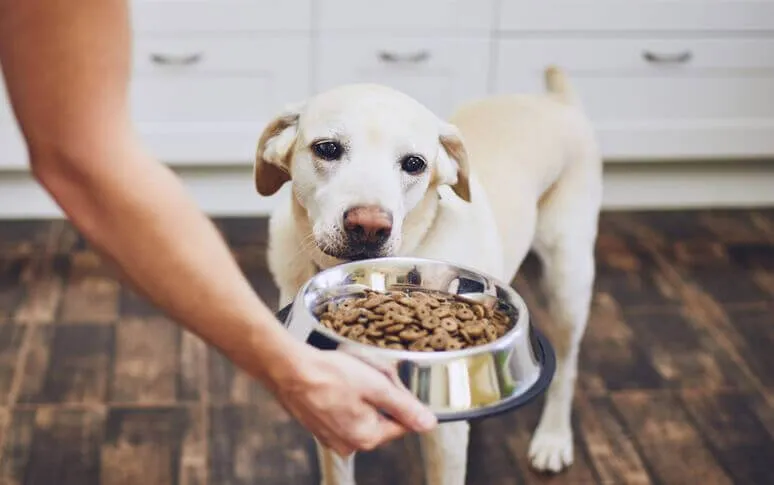
How often should we feed our dogs? Feeding your dog in a healthy manner involves various options, and it's worth exploring different feeding styles to find the one that suits both your dog and your family best. There are generally four feeding frequencies to consider.
How much food should we give our dogs for each meal? The amount depends on factors such as size, breed, age, exercise level, and the type of food. Commercial dog food bags usually have a label with recommended feeding amounts based on your dog's size and weight. On average, most dogs require about 25 to 30 calories per pound per day to maintain their weight.
For a more precise approach, you can follow this two-step process to determine the exact portion for your dog.
Other tips and tricks for feeding dogs include the vital role of owner care in pet wellness. Consider whether your canine companion may be yearning for an abundance of affection and attention, rather than solely satiating their hunger. Offering additional love and attention is a priceless, effortless endeavor that profoundly improves the well-being of your beloved furry friend.
For young pups, the companionship of their owner holds utmost significance. With a finite lifespan of merely a decade or so, their tender hearts yearn earnestly for your unwavering presence and boundless affection.
There are foods and substances you should never feed your dog. Sulphite preservatives in dog food may lead to thiamine (Vitamin B1) deficiency, resulting in severe neurological symptoms and potential fatality. To prevent this, avoid sausages, sausage meat, and cooked processed meats, as they often contain sulfite preservatives.
Additionally, certain pet food products like pet meat, pet mince, pet rolls, and bone items may also be treated with sulphite preservatives for freshness. If convenience dictates reliance on these options, be sure to carefully scrutinize the labels and select only high-quality, natural products that are free from preservatives.
Hopefully, you now feel confident that you have all the information you need to properly feed your dog.