Why Do Your Puppies Roll On Their Backs?
There's something delightful about watching a dog joyfully roll onto its back, paws kicking in the air with a look of pure happiness. But have you ever stopped to wonder why dogs do this? While it might seem like simple fun at first, rolling on their backs is actually a complex way of communicating. Dogs use this behavior for a variety of reasons. In this guide, we’ll explore the fascinating world of canine behavior to help you understand when dogs roll over, what they're trying to say, and how recognizing this can strengthen your bond with your furry friend.
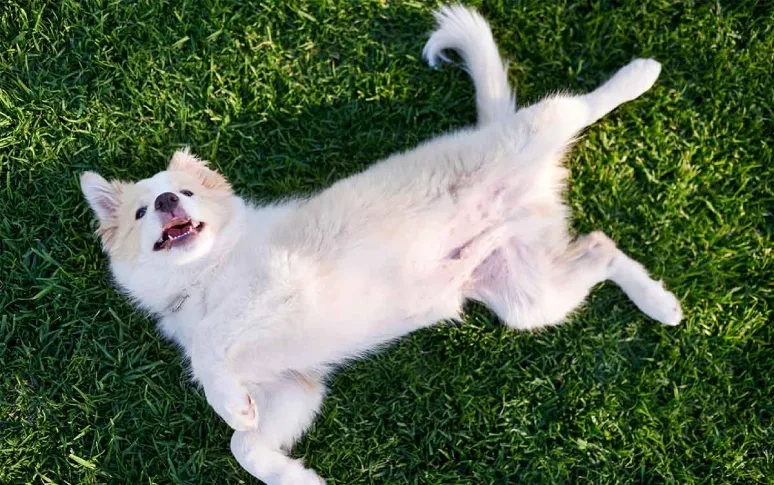
Dogs often roll onto their backs as a way to invite belly rubs, which is a common and affectionate gesture. This action signals trust and comfort, showing that the dog feels safe enough to expose a vulnerable area. However, not every dog enjoys this, so it's important to observe their body language and respect their personal space.
Rolling on the back can also be a submissive behavior in canine social interactions. When a dog feels less dominant—whether around another dog or a human—it may expose its belly to signal that it poses no threat. This helps prevent conflicts and keeps the group peaceful, but forced submission can cause stress, so interactions should always be respectful and positive.
Another reason dogs roll on their backs is related to scent marking. With their powerful sense of smell, dogs use rolling to pick up and spread odors from grass, dirt, or even strong-smelling objects. This helps them mark territory, communicate with other dogs, or mask their own scent in the wild. While natural, it can lead to messiness, which regular grooming can manage without discouraging the instinct.
Many dogs roll simply because it feels good or as part of play. The motion can help scratch an itch or serve as a playful tactic—using their hind legs to defend against other dogs during friendly roughhousing. Such rolling is usually accompanied by tail wagging, play bows, and energetic movements, indicating fun rather than aggression.
Occasionally, excessive or distressed rolling on the back may signal illness or discomfort. Skin problems, ear infections, or neurological issues could be the cause. Other warning signs include changes in appetite, lethargy, or unusual behavior. If these appear, it's wise to consult a veterinarian for early detection and treatment.
Every dog has its own personality and preferences; some roll frequently, others rarely. By paying close attention to your dog's body language and reactions, you can learn what they like and dislike, how comfortable they are in different situations, and how they prefer to communicate. This understanding strengthens your bond and helps you become a more attentive and caring pet owner.